
Halloween is one of Charleston's most beloved celebrations, with historic neighborhoods transforming into spectacular displays of creativity and spooky decorations. As families prepare for trick-or-treaters and Halloween parties in 2026, it's crucial to remember that increased foot traffic and frequent door openings can create unique security challenges. At Charleston Pro Locksmith, we've seen firsthand how the excitement of Halloween can sometimes lead to security oversights that leave homes vulnerable. Whether you're planning to welcome dozens of costumed children to your Doncaster Drive home or heading out for Charleston's famous Halloween events, taking proactive steps to secure your property ensures that your only scares this season are the fun kind.
Understanding Halloween Security Risks in Charleston
Charleston's Halloween celebrations attract thousands of visitors to residential neighborhoods, particularly in historic areas like downtown Charleston, James Island, and West Ashley. This increased activity, while festive and enjoyable, creates several security considerations that homeowners should address well before October 31st arrives.
During Halloween, homes experience significantly more traffic than usual. Doors are opened and closed repeatedly, often by different family members who may be distracted by costumes, candy distribution, or party preparations. This constant activity can lead to forgotten locks, propped-open doors, and reduced awareness of who's actually on your property. Additionally, decorations and lighting changes can obscure security cameras or create blind spots that didn't exist before.
Charleston's unique architecture, with many homes featuring historic locks and vintage hardware, can present additional challenges. Older lock mechanisms may not provide the level of security needed during high-traffic events, and decorative changes might inadvertently compromise existing security measures. Furthermore, social media posts about Halloween plans can inadvertently signal to opportunistic individuals when homes will be unoccupied or distracted.
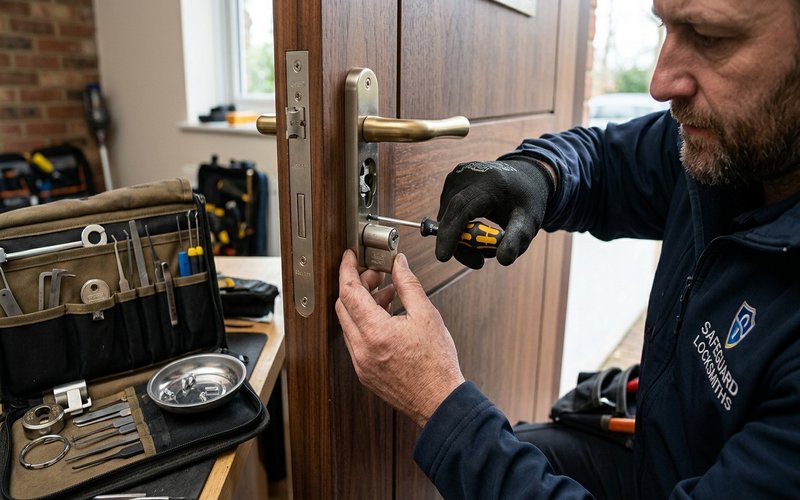
Conducting a Pre-Halloween Lock Inspection
Before the Halloween season begins, schedule time to thoroughly inspect all entry points to your home. This comprehensive assessment helps identify potential vulnerabilities before they become problems during the busiest trick-or-treating hours.
Start with your front door, which will see the most activity on Halloween night. Test the deadbolt to ensure it engages smoothly and fully extends into the door frame. A deadbolt that sticks or doesn't fully engage leaves your home vulnerable even when you think it's locked. Check the strike plate—the metal piece attached to the door frame that receives the bolt—to confirm it's securely fastened with long screws that reach into the wall studs, not just the door frame.
Examine your door's weather stripping and the gap between the door and frame. Excessive gaps can allow lock-picking tools to access the internal mechanisms more easily. If you notice significant wear, warping, or gaps, consider having the door adjusted or the weather stripping replaced before Halloween.
Move through your home and test every exterior door, including back doors, side entrances, and garage access doors. Many homeowners focus security attention on the front door while neglecting other entry points that might be more vulnerable. Pay special attention to doors that aren't used frequently, as their locks may have accumulated dust or corrosion that affects functionality.
Don't forget to check window locks, especially on ground-floor windows. While trick-or-treaters typically won't venture beyond your porch, a comprehensive security approach protects against all potential vulnerabilities. Ensure all window locks engage properly and consider adding supplementary security measures like window pins or bars for particularly vulnerable windows.
Upgrading Locks Before the Halloween Season
If your pre-Halloween inspection reveals aging or inadequate locks, now is the perfect time to upgrade. Modern lock technology offers significantly enhanced security compared to older mechanisms, and the investment protects your home year-round, not just during Halloween.
Consider upgrading to Grade 1 deadbolts, the highest security rating available for residential locks. These deadbolts feature hardened steel bolts that resist sawing, cutting, and prying attempts. They also include anti-pick pins that make lock picking significantly more difficult. For Charleston homeowners with historic properties, many Grade 1 deadbolts are available in traditional styles that maintain your home's aesthetic character while providing modern security.
Smart locks offer particular advantages during Halloween. These advanced systems allow you to lock and unlock your door remotely, check whether your door is secured from anywhere, and even provide temporary access codes for trusted neighbors or family members. On Halloween night, you can quickly verify that your door is locked between trick-or-treater visits without leaving your candy station. Some smart lock systems also maintain access logs, so you know exactly when doors were opened and by whom.
For homes with multiple family members participating in Halloween activities, keyless entry systems eliminate concerns about lost keys. Teenage children can head out to Halloween parties without needing physical keys that might be lost during the evening's excitement. Meanwhile, parents can easily change access codes after Halloween if they were shared with temporary guests or helpers.
If you're hosting a Halloween party, consider installing a keypad lock on interior doors leading to private areas of your home. This allows you to secure bedrooms, offices, or other spaces without awkwardly locking doors in front of guests or worrying about party-goers wandering into off-limits areas.
Key Management Strategies for Halloween Night
Proper key management becomes especially important when multiple people are coming and going, costumes have pockets you're not used to, and the general excitement of Halloween creates distractions.
Designate one family member as the "key keeper" responsible for locking up throughout the evening. This person ensures that doors are secured between trick-or-treater groups and that the home is properly locked if the family leaves to walk around the neighborhood. Having a single point of responsibility prevents the "I thought you locked it" scenario that can leave homes vulnerable.
Create a key staging area near your main entrance where keys are always placed when not in use. Use a decorative bowl or hook that's visible and easily accessible. On Halloween night, when you're juggling candy bowls, costume adjustments, and doorbell rings, having a designated spot prevents keys from being misplaced in the chaos.
For families with children old enough to trick-or-treat independently, provide them with copies of house keys attached to secure lanyards or retractable key reels. These accessories make keys harder to lose and easier to use without removing them from costumes. Before Halloween night, practice with children to ensure they know how to use their keys and understand the importance of not sharing them with friends.
If you're hosting a Halloween party, never hide spare keys outside your home, even temporarily. The "hidden key under the decorative pumpkin" might seem convenient for late-arriving guests, but it's one of the first places anyone looking for unauthorized entry will check. Instead, plan to be available to let guests in personally, or provide a temporary access code if you have a smart lock system.
Consider having spare keys professionally cut before Halloween rather than using old duplicates that might not work properly. Poor-quality key copies can stick in locks or fail to turn properly, leaving you locked out in your costume while trick-or-treaters wait at your door. Professional locksmiths use precision equipment that creates accurate copies that function as smoothly as the original.
Securing Doors During Trick-or-Treating Hours
The constant flow of trick-or-treaters requires a balanced approach that maintains security while allowing you to participate in the festivities. Establishing clear procedures helps protect your home without dampening Halloween fun.
Set up your candy distribution station just inside or immediately outside your front door. This positioning allows you to maintain control of the door while still being accessible to trick-or-treaters. When you step away to refill candy supplies or help with costumes, close and lock the door rather than leaving it standing open. Modern deadbolts can be quickly unlocked when you return, and the few extra seconds are worth the security benefit.
If you have a storm door or screen door, keep it locked while the main door is open. This provides a barrier between your home's interior and visitors while still allowing you to interact pleasantly with trick-or-treaters. Ensure the storm door lock is functional and that all family members know how to operate it quickly.
For homes with particularly busy trick-or-treating traffic, consider installing a spring-loaded door closer that automatically shuts the door after each opening. This prevents the door from being accidentally left ajar when you're distracted by multiple groups arriving simultaneously. You can still manually hold the door open when needed, but it defaults to closed rather than open.
Install or activate a video doorbell before Halloween night. These devices allow you to see who's at your door before opening it and create a record of everyone who approaches your home. The visible camera also serves as a deterrent to anyone who might have intentions beyond trick-or-treating. Many video doorbells include motion detection that alerts you when someone approaches, even before they ring the bell.
If you're taking your children trick-or-treating and leaving your home unoccupied, never leave a note on the door explaining your absence or when you'll return. Such notes, even friendly ones intended for neighbors or delivery drivers, advertise that your home is empty. Instead, coordinate with a trusted neighbor to collect any deliveries or communicate your plans directly via phone or text.
Protecting Garage and Side Entrances
While front doors receive the most attention during Halloween, garages and side entrances can be more vulnerable, especially when homeowners are focused on trick-or-treaters at the main entrance.
Garage doors represent one of the most common security vulnerabilities in modern homes. On Halloween night, when you might be loading decorations, retrieving additional candy supplies, or helping children in and out of cars, garage doors can be left open longer than usual. Install a garage door monitor that alerts you if the door has been open for more than a specified period, or upgrade to a smart garage door opener that allows you to check and control the door from your smartphone.
Secure the door connecting your garage to your home with the same level of security as exterior doors. Many homeowners use inadequate locks on this critical entry point, assuming the garage door provides sufficient security. However, garage doors can be compromised, making the interior door your last line of defense. Install a deadbolt on this door and make a habit of keeping it locked, even when you're home.
Side entrances and back doors should be well-lit during Halloween evening. Motion-activated lights serve a dual purpose: they illuminate the path for any family members using these entrances and they deter anyone who might attempt to access these typically less-visible areas while you're busy at the front door. Position lights to eliminate shadows and dark corners where someone could hide or work on a lock unnoticed.
Consider the security implications of Halloween decorations near side and back entrances. While a towering inflatable monster or elaborate graveyard scene creates wonderful atmosphere, ensure these decorations don't block sight lines to doors or create hiding spots. Position decorations thoughtfully so they enhance security awareness rather than compromising it.
If you have a fence with a gate, ensure the gate latch functions properly and consider adding a lock. On Halloween night, curious trick-or-treaters might wander beyond your front yard, and a secured gate helps maintain boundaries while protecting your backyard and any rear entrances to your home.
Coordinating Security with Halloween Decorations
Halloween decorations create ambiance and show your neighborhood spirit, but they should never compromise your home's security. With thoughtful planning, you can create an impressive display while maintaining effective security measures.
When planning your decoration layout, ensure that security cameras, doorbell cameras, and motion sensors remain unobstructed. That giant spider web might look amazing over your porch, but not if it blocks your camera's view of who's approaching your door. Similarly, hanging decorations should not interfere with lighting that illuminates entry points. Review your decoration plans from a security perspective, adjusting placement as needed to maintain both festive atmosphere and protective sight lines.
Use your lighting to enhance security while supporting your Halloween theme. Purple and orange lights might create great ambiance, but ensure you also have adequate white light illuminating your walkway, steps, and entry areas. This lighting serves the dual purpose of preventing trip-and-fall accidents (important when hosting trick-or-treaters) and deterring anyone who might take advantage of Halloween darkness to approach your home with bad intentions.
Secure decorations properly so they don't become hazards or obstacles during an emergency. Inflatable decorations should be anchored so they won't blow against doors or windows during Charleston's sometimes unpredictable October weather. Extension cords should be secured with tape or cord covers to prevent tripping, and all outdoor electrical connections should be weatherproofed and protected from rain.
Consider the message your decorations send about your home's occupancy. If you're going out on Halloween night, a completely dark, undecorated house signals that no one is home. However, even if you won't be present to greet trick-or-treaters, a few timer-controlled decorations and lights can suggest occupancy and deter potential break-ins. Smart lighting systems allow you to control your display remotely, turning lights on and off at varying intervals to simulate someone being home.
Avoid decorations that could provide tools or assistance to someone attempting unauthorized entry. Ladders used to hang decorations should be stored away after use, not left leaning against your house. Sturdy decorative elements positioned near windows shouldn't create stepping stones that could aid in accessing upper floors. Think like a security professional when evaluating your decoration setup.
Creating a Halloween Security Plan
A comprehensive security plan ensures all family members understand their roles in keeping your home safe during Halloween festivities. Take time before October 31st to discuss and practice these procedures.
Establish clear rules about door access. Decide who is authorized to open the door to trick-or-treaters and ensure everyone knows whether doors should be locked between visitors. For households with younger children who might be excited to greet trick-or-treaters, explain that an adult must always be present when the door is opened. Consider using a code word that family members can use if they need to quickly secure the house for any reason.
Create a contact list of important numbers, including Charleston Pro Locksmith's emergency service at your local number, the non-emergency police line, and trusted neighbors. Keep this list easily accessible, perhaps posted on your refrigerator or saved in all family members' phones. In the unlikely event of a security concern or lock-related emergency, you'll have the resources you need immediately at hand.
Plan for various scenarios that might arise on Halloween night. What happens if you run out of candy and need to make a quick store run? Who stays home, how is the house secured, and how long will you be gone? What if a child loses their house key while trick-or-treating? Having discussed these possibilities in advance prevents panic and poor security decisions in the moment.
If you're hosting a party, establish boundaries about which areas of your home are accessible to guests. Clearly communicate these boundaries to party attendees and consider using simple barriers like baby gates or closed doors to define the party area. Assign a trusted friend or family member to periodically check that private areas remain secure during the event.
Coordinate with neighbors to create a network of watchful eyes on Halloween night. Share phone numbers with trusted neighbors and agree to alert each other about any suspicious activity. Charleston's strong sense of community makes this approach particularly effective, as neighbors often know the regular patterns of their street and can quickly identify anything unusual.
Smart Home Integration for Halloween Security
Modern smart home technology offers powerful tools for maintaining security during Halloween while still fully enjoying the festivities. These systems provide peace of mind through automation and remote monitoring.
Smart locks integrated with home automation systems can be programmed for Halloween-specific schedules. Set your smart lock to automatically engage every five minutes if it hasn't been manually locked, ensuring your door doesn't remain unsecured if you get distracted by a surge of trick-or-treaters. Program temporary access codes for babysitters or family members helping with your Halloween party, then automatically deactivate these codes at midnight or whenever your event ends.
Video doorbell systems with two-way audio allow you to interact with trick-or-treaters even if you step away from the door momentarily. Some families use this feature to create interactive Halloween experiences, with voices from "beyond" greeting visitors, while maintaining security awareness. The recorded footage also provides documentation of everyone who approached your home, which can be valuable if any security concerns arise.
Integrate your security system with smart lighting to create zones that respond to activity. Lights near your front door might remain bright all evening, while side and back yard lights activate only when motion is detected, alerting you to anyone in those areas. Interior lights can be programmed to simulate occupancy in different rooms throughout the evening, creating the impression that someone is always home even when everyone is gathered in one area distributing candy.
Smart window and door sensors provide real-time alerts if any entry point is opened unexpectedly. On a busy Halloween night when your attention is divided, these sensors serve as an extra set of eyes, immediately notifying you if a back door or window is accessed while you're focused on